LANOLIN
Physical & Chemical Properties Of lanolin:
- Description: Anhydrous lanolin; Adeps lanae; Wool grease; Wool wax; Lanolin; Lanolin is a refined derivative of the unctuous
- Flash Point : 209C
Specific gravity : 0.932 - 0.945 @ 15C
Saponification Value mg KOH/gram : 85 - 110 max
Moisture Content : 0.5% max
Acid Value, mg KOH/g : 2 max
Iodine Value, cg Iodine/gram : 20 - 36
Melting Point : 38 - 50 C
Ash Content : 0.1% max
Appearance : yellow brown paste
Odor : characteristic
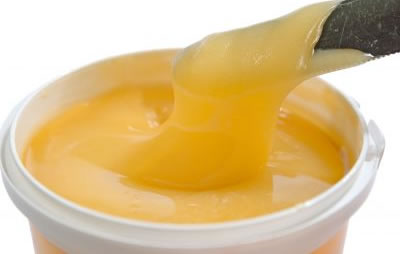

Description
Lanolin is a by product of the wool industry
Wool is carefully shorn (cut using electric clippers) from the live sheep by sheepshearers. Sheepshearers are specialized farm workers who learn this skill over many years of shearing practice. They shear (cut) the wool off the sheep; then the wool is washed before the wool oil (lanolin) is extracted (scoured) from the wool. The wool is harvested from sheep just like milk is harvested from cows, and honey is harvested from bees. Therefore there is NO animal cruelty associated with shearing the sheep.
There are extensive records of safe use of lanolin in skincare applications. Lanolin is an excellent emollient - it helps soften and soothe skin.
This medication is used as a moisturizer to treat or prevent dry, rough, scaly, itchy skin and minor skin irritations (e.g., diaper rash, skin burns from radiation therapy). Emollients are substances that soften and moisturize the skin and decrease itching and flaking. Some products (e.g., zinc oxide, white petrolatum) are used mostly to protect the skin against irritation (e.g., from wetness).
Dry skin is caused by a loss of water in the upper layer of the skin. Emollients/moisturizers work by forming an oily layer on the top of the skin that traps water in the skin. Petrolatum, lanolin, mineral oil and dimethicone are common emollients. Humectants, including glycerine, lecithin, and propylene glycol, draw water into the outer layer of skin. Many products also have ingredients that soften the horny substance (keratin) that holds the top layer of skin cells together (e.g., urea, alpha hydroxy acids such as lactic/citric/glycolic acid, and allantoin).
RELATED PRODUCTS


 English