GLYCERINE IP/USP/CP
Physical & Chemical Properties Of Glycerine:
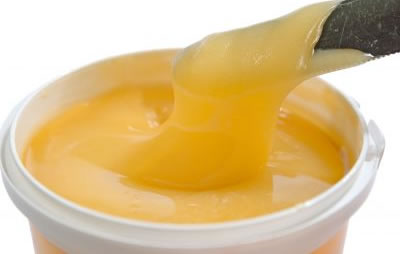
- Description: Clear colourless or almost colourless syrup liquid, odourless, very hygroscopic.
Acidity/ Alkalinity: Not more than 0.2ml of 0.1M NaOH.
Heavy Metal: NMT 5 ppm
Iron: Max. 4 ppm
Chloride: Max. 25 ppm
Sulphate: Max. 30 ppm
Aldehydes & reducing substance: Max. 5 ppm
Esters: NLT 0.8ml of 0.1M HCl
Ethylene Glycol, Diethylene Glycol or related substances: Complies
Sugars: Complies
Sulphated Ash: NMT 0.01%
Water: NMT 2.0%
Assay: 99-101%


Description
Vegetable glycerine, or glycerol, is a clear, odourless liquid produced from plant oils, typically palm oil, soy, or coconut oil. Palm and coconut oils are natural triglyceride mixtures; each triglyceride is composed of three fatty acids esterified with glycerine. Vegetable glycerine has a number of valuable applications that include cosmetic products, foods, and as a replacement for alcohol in herbal and botanical tinctures.
Our offered Glycerine is tested against numerous quality parameters to keep it according to set quality parameters. Our clients can benefit from us prevalent quality Refined Glycerine that are broadly utilized as a part of different pharmaceutical businesses.
Because of its great quality and long time frame of realistic usability, the offered compound is greatly esteemed by the customers. Our association is profoundly included in offering incredible quality Glycerine according to the necessity of the customers.
The Benefits of Vegetable Glycerine?
Vegetable glycerine used in food applications is USP grade or over 99% pure and has a sweet taste. Vegetable glycerine metabolizes differently than sugar and is used in low carbohydrate foods for sweetness and moisture. Unlike sugar, glycerine does not contribute to tooth decay.
Many household products, including lotions, shampoo, and toothpaste, contain vegetable glycerine. Glycerine is added to these products because it is a humectant; a substance that attracts moisture to the skin. In the cosmetic world, this has two practical applications. First, glycerine leaves your skin hydrated. Glycerine soap, for example, is popular for that very reason. Second, for cosmetic products that deliver an active ingredient, a humectant can increase the solubility of the active ingredient, making it more easily absorbed by the skin.
Petrolatum (White Petroleum Jelly), lanolin, mineral oil (Liquid Paraffin/White Oil) and dimethicone are common emollients. Humectants, including glycerine, lecithin, and propylene glycol, draw water into the outer layer of skin. Many products also have ingredients that soften the horny substance (keratin) that holds the top layer of skin cells together (e.g., urea, alpha hydroxy acids such as lactic/citric/glycolic acid, and allantoin). This helps the dead skin cells fall off, helps the skin keep in more water, and leaves the skin feeling smoother and softer.
RELATED PRODUCTS



 English